The Speed You Want vs. The Speed You Need
AI is making it easier than ever to move fast. It's also making the cost of moving wrong harder to ignore.
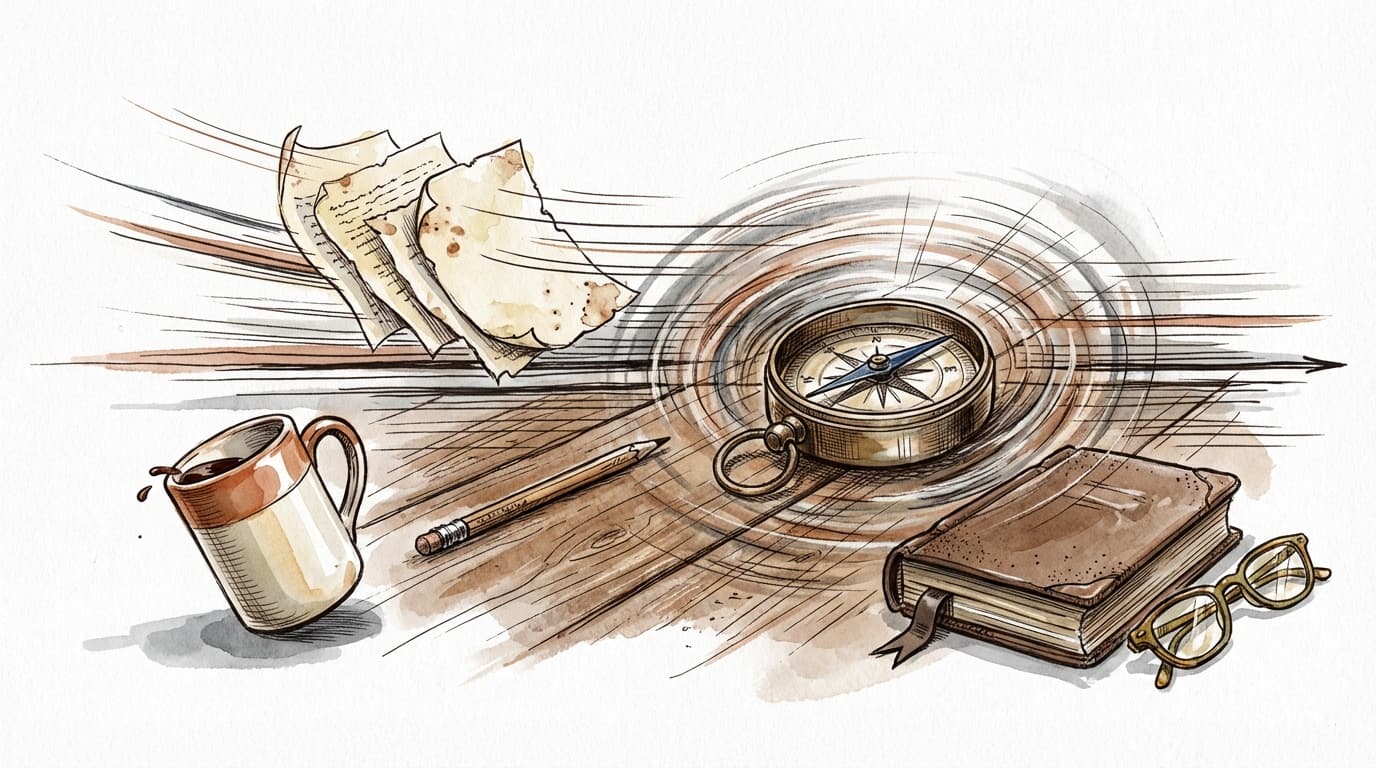
Back in 2007, when the iPhone launched and the App Store took off, a lot of companies convinced themselves they needed an iPhone app. Not because they had thought it through or knew exactly what value it would have for their users, but because a new capability existed and they felt an urgent need to take advantage of it. I’ve been using the phrase “second verse, same as the first” a lot lately, and in this case the second verse is AI. Leaders can see how fast code is produced, how fast products can be stood up, and the natural instinct is: look at how fast we can move now. That instinct isn’t wrong, but it’s missing something important.
In both cases, I think the right approach draws from Daniel Kahneman’s two systems of thinking. System one, which is what vibe coding benefits from, is intuitive, pattern-matching, and fast. System two is slower and deliberate, and it catches the things system one misses. My take is that AI can accelerate both. So you can’t walk into this era thinking you just need to move fast, and you can’t walk in thinking you need to slow down. You can be excited about system one without concluding that system two is somehow now irrelevant.
The question I’ve been asking myself more often isn’t whether I’ve set the right goalposts, or even whether the goalposts are moving. It’s whether we understand them well enough to position them in the first place, and more importantly, whether we’re letting the team participate in that decision or just assuming we already have the answer.
Decisiveness is one of those leadership virtues we’re all told to cultivate. It signals that you’re able to move past obstacles without getting bogged down in the details so your team and your company can keep momentum moving forward. These are real virtues.
The problem is when the filter for what counts as an obstacle worth clearing versus an obstacle worth routing around is familiarity rather than importance. Or more critically, when overconfidence is driving that decisiveness. Just because you don’t understand something, or don’t fully agree with it, doesn’t make it negotiable. That’s not decisiveness. That’s a blind spot moving fast.
This matters because your job as a leader isn’t only to make decisions. It’s to create an environment where the team can actually perform. The worst thing you can do with a high-performing team is make them feel unseen by their leadership. What tends to happen is one of three things: they start self-censoring and stop bringing real problems up; their output quietly degrades; or your best people leave because they’d rather work somewhere their judgment is trusted. None of these announce themselves loudly. They just accumulate.
So here are the two things I’ve learned.
The first is tactical. You have to develop a better heuristic for when to push back and when to trust your team’s framing of a problem. You won’t know everything, and arguing each case isn’t the best choice. Start by looking at the pattern in your own responses. When something feels like an unnecessary roadblock, the first question worth asking is: is this just unclear to me, or is it actually unnecessary? Those are different problems with different solutions. Just because you don’t understand something doesn’t mean it isn’t necessary. That distinction is critical, because as a leader you set the tone for what’s treated as real.
The second is more uncomfortable, and it’s something you have to sit with yourself. Your relationship with the team’s credibility is itself a performance variable. When people executing at a high level consistently have their judgment questioned or overridden on things they understand better than you do, that is not a neutral event. It has a real cost, and the bill comes due in ways that are hard to reverse.
AI is accelerating all of this. The speed it enables is real. But it’s also accelerating the cost of getting the leadership environment wrong. The teams that will actually benefit are the ones where leadership is asking better questions, not just moving faster.
Kenzie Notes
Analog wisdom for a digital world
A weekly page from The Workshop — frameworks, stories, and practical thinking on leadership, systems, and the craft of building things that matter. Wednesdays.
Related Ideas
7 Leadership Lessons I Learned From Training AI
What Teaching Machines Reveals About Leading Teams
Being Faster at Being Wrong Isn’t Progress
Winning teams aren't the ones with the fanciest tools, they're the ones who think critically
Context Over Control
People don’t resist direction. They resist absence of meaning. When you provide real context, you’re not giving up control, you're providing the material that makes control unncessary.